The Complete Guide

Marine Metal Fabrication
Fort Lauderdale

Whether you captain a 30-foot sportfish or manage a 300-foot superyacht program, finding the right metal fabrication shop is the difference between a project that lasts and one that corrodes in 18 months. This guide explains what DolFab builds, what materials and certifications matter, and how to get your project started.

ABS-certified • Est. 1978 • Fort Lauderdale, FL
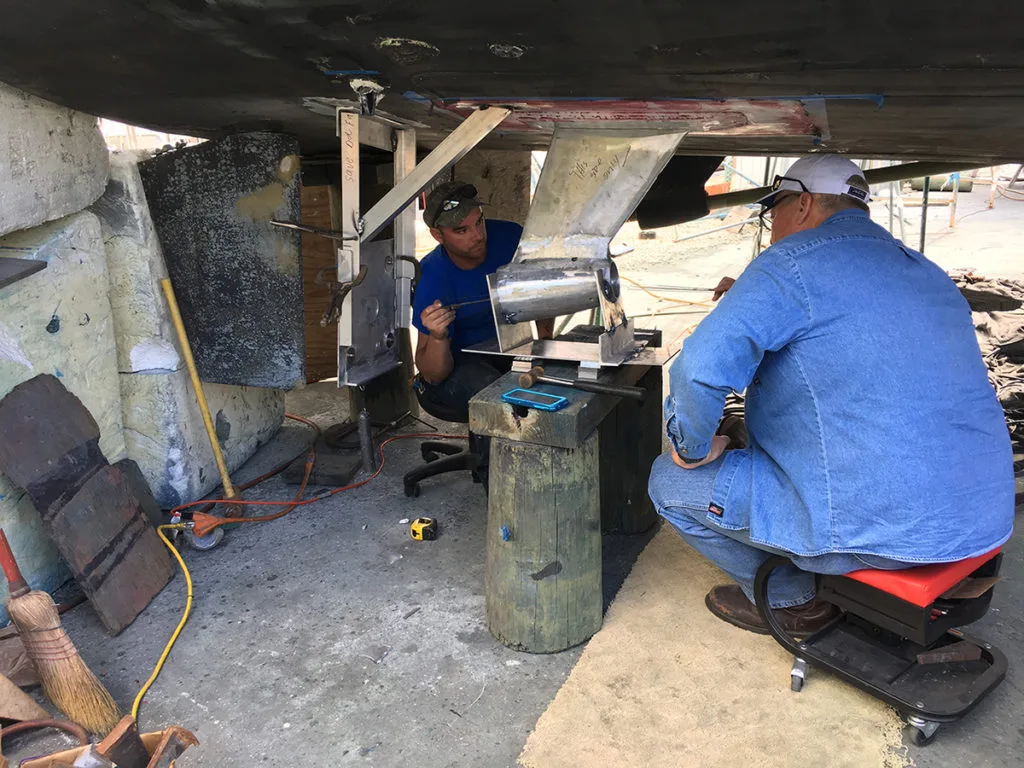
Marine welding at DolFab's Fort Lauderdale fabrication shop — ABS-certified MIG/TIG welding on stainless and aluminum
47+
Years Operating
330'
Largest Vessel
ABS
Certified Facility
In This Guide

01 — Capabilities

What We Build for the Marine Industry

DolFab is a full-service metal fabrication facility. We don't subcontract welding, cutting, or forming — every step happens under one roof at our 15,000+ sq ft Fort Lauderdale shop. Here's what that means in practice for boat owners, captains, and marine project managers.

Marine Welding

MIG and TIG welding for aluminum, stainless steel, and structural steel. Pipe welding and pressure-vessel qualifications on staff. ABS-certified processes for classification-society work.

Custom Fabrication

One-off parts, brackets, mounts, enclosures, and structural components built from drawings or 3D scans. From a single replacement hinge to full hardtop structures.

T-Tops & Tower Systems

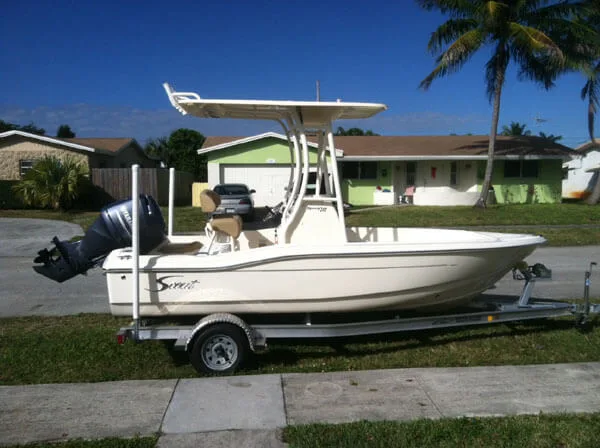
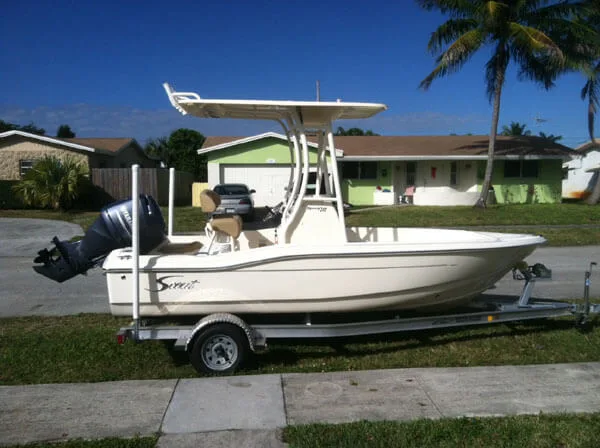
Custom aluminum and stainless T-tops, radar arches, tuna towers, and electronics arches. Designed for the specific boat — not a catalog part trimmed to fit.

Railings & Deck Hardware

Stainless and aluminum railings, stanchions, cleats, chocks, and custom hardware. Mirror-polished or brushed finish, welded to last in saltwater environments.

Fuel Tank Fabrication

Custom aluminum fuel tanks and water tanks built to ABYC H-24 and USCG standards. Pressure-tested, baffled, and fitted to the specific hull shape. Removal and replacement of corroded factory tanks.

Hull Repair & Plating

Aluminum and steel hull repairs, re-plating, corrosion remediation, and structural reinforcement. We work dockside or in our shop — whatever the vessel size requires.

Engine Room Fabrication

Diamond-plate flooring, piping runs, tank mounts, structural bracing, and equipment platforms. Complete engine room refits for superyachts and commercial vessels.

Waterjet Cutting

CNC waterjet cutting for precision parts — gaskets, brackets, plates, logos, and decorative panels. Cuts any metal up to 6" thick with no heat-affected zone.

3D Scanning & Prototyping

Laser scanning for reverse engineering existing parts or capturing hull geometry. 3D-printed prototypes and mockups before committing to metal — saves time and avoids costly rework.

View all 18 service specialties →
02 — Materials

Marine-Grade Materials We Fabricate

The right alloy in the wrong application corrodes in months. The wrong alloy in the right application fails under load. Material selection isn't a catalog pick — it's engineering. Here's what we work with and when each material is the right call.

SS

Stainless Steel

Alloys: 304, 316L (marine standard)
Best for: Railings, hardware, cleats, exhaust, fasteners, anything above the waterline in constant salt spray
Why 316L: Molybdenum content resists chloride pitting. 304 works inland — 316L is mandatory for marine
Finish options: Mirror polish, satin brush, bead blast, electropolish
AL

Aluminum

Alloys: 5086 (hull/structural), 6061-T6 (extrusions/mounts)
Best for: T-tops, towers, fuel tanks, hull plating, leaning posts, poling platforms, structural components
Why 5086: Superior saltwater corrosion resistance and weldability. 6061 is stronger but needs post-weld heat treatment for full strength
Finish options: Mill finish, anodized, powder coated, painted
BR

Naval Bronze

Alloys: C95500 (nickel aluminum bronze), C95800 (propeller bronze)
Best for: Through-hulls, seacocks, propeller shafts, struts, underwater fittings, and any component submerged in seawater
Why bronze: Galvanic compatibility with underwater metals. Stainless below the waterline invites crevice corrosion — bronze doesn't
Finish options: Machined, polished, or left raw (develops natural patina)

A Note on Galvanic Corrosion

Dissimilar metals in saltwater create galvanic cells that accelerate corrosion. Every DolFab marine project accounts for this — isolating metals where necessary, selecting compatible alloys, and specifying the right fastener material for each joint. We've seen boats come in where a stainless bolt in an aluminum hull ate through the plating in under two years. Material selection isn't optional — it's the foundation of a durable build.

03 — Certifications

Certifications & Standards That Matter

Not every fabrication job needs a classification-society stamp. But if your insurer, surveyor, or flag state requires ABS-certified welding — you need a shop that actually holds the certification, not one that claims "equivalent" quality. Here's what our certifications mean in practice.

ABS

American Bureau of Shipping

Certified Facility

ABS is a classification society that sets structural and safety standards for ships and marine structures worldwide. An ABS-certified facility means our welding procedures, welder qualifications, and quality systems have been audited and approved by ABS.

What it means for your project: Welds performed at DolFab can carry ABS stamps for classification-society inspected work. This is required for commercial vessels, charter boats, and many superyacht programs where the surveyor needs to sign off on structural metalwork.

Practical implication: We maintain weld procedure specifications (WPS), procedure qualification records (PQR), and welder performance qualifications (WPQ) per ABS rules. If your surveyor asks for documentation, we have it.

ABYC

American Boat & Yacht Council

Standards Compliant

ABYC publishes voluntary safety standards for boat design, construction, and repair. While not legally mandatory in most cases, ABYC compliance is the baseline expectation for marine insurance, resale value, and professional workmanship.

Key standards we follow: H-24 (fuel systems), H-32 (ventilation), E-11 (electrical), A-22 (access openings). When we build fuel tanks, install exhaust systems, or fabricate structural components, ABYC standards govern the design.

Practical implication: Your marine surveyor will check ABYC compliance. Work that doesn't meet these standards can fail a survey, void insurance, or reduce resale value. DolFab's work passes surveys — that's a baseline, not a selling point.

Pressure Vessel Qualified

Welders qualified for pressure-vessel and pipe welding per ASME Section IX. Required for fuel tanks, hydraulic systems, and high-pressure piping.

USCG Compliance

Fuel systems and structural work for inspected vessels meet USCG Subchapter T and Subchapter H requirements where applicable.

AWS D1.1 / D1.2

Structural welding per AWS standards for steel (D1.1) and aluminum (D1.2). The code behind the cert — governs joint design, filler selection, and inspection criteria.

04 — Process

How a Marine Fabrication Project Works

From first contact to installed part — here's what the process looks like so there are no surprises. Every project is different in scope, but the sequence is the same.

1

Quote & Scope

Submit photos, measurements, and project details. We review within 24-48 hours and return a detailed quote with material specs, timeline, and cost breakdown.

2

Design & Templates

For custom parts: 3D scanning, templating, or CAD drawings. For replacement parts: we match the original or improve on it. You approve the design before we cut metal.

3

Fabrication

Cutting, forming, welding, and finishing — all in-house. Waterjet for precision cuts, press brake for bends, rolling machine for curves. Progress photos along the way.

4

Delivery & Install

Pickup from our shop, delivery to your marina, or on-site installation. Final fitting, adjustment, and sign-off. Dockside welding available for work that can't come to the shop.

06 — FAQ

Frequently Asked Questions

What certifications does DolFab hold for marine fabrication?
DolFab is an American Bureau of Shipping (ABS) certified facility with ABYC-compliant work practices. Our welders hold pressure-vessel and pipe welding qualifications per ASME Section IX. ABS certification means our welds, materials, and procedures meet the standards required for classification-society inspected vessels — including commercial ships and superyachts under class.
What materials do you work with for marine projects?
Marine-grade stainless steel (304 and 316L), aluminum alloys (5086 for structural/hull, 6061-T6 for extrusions), naval bronze (C95500/C95800), and structural steel. Material selection depends on the application, environment, and galvanic compatibility with adjacent metals. We specify the right alloy for each component — not the cheapest or most convenient.
What size vessels can you handle?
Everything from 17-foot center consoles to 330-foot superyachts. Our 15,000+ sq ft Fort Lauderdale facility has overhead crane capacity, press brakes, shears, waterjet cutting, rolling machines, and a full welding bay. For larger vessels, we do dockside work at marinas throughout South Florida. The project scope determines the approach — a replacement leaning post ships from our shop, a hull repair happens at your slip.
How long does a typical project take?
Depends entirely on scope. A simple bracket or repair might be same-day. A custom T-top is typically 2-4 weeks. A complete engine room refit for a superyacht can run 2-3 months. We give you a timeline with the quote and communicate proactively if anything changes. Rush work is possible for emergency repairs — call us directly at 954-941-5093.
How do I get a quote?
Submit a request through our online quote form with your project details, photos, and measurements. You can also call 954-941-5093 during business hours (Mon-Fri, 7am-4:30pm). Include as much detail as you can — vessel name, LOA, what you need built or repaired, and any drawings or reference photos. Most quotes are returned within 24-48 hours.
Do you work with marine surveyors and project managers?
Regularly. We coordinate with surveyors for ABS-stamped work, provide documentation packages for classification society inspections, and work alongside yacht management companies on refit schedules. If you're a project manager with a multi-trade refit, we'll integrate with your timeline and coordinate with other contractors on the job.

Ready to Start Your Project?

Tell us what you need — hull repair, custom T-top, engine room refit, or something we haven't seen before. We'll scope it, quote it, and build it right.

Mon–Fri 7:00 AM – 4:30 PM • 6800 NW 15th Way, Fort Lauderdale, FL 33309

See what clients say about DolFab →